Manufactured Braille Board
Mfg apporach to promote Braille Awareness
OVERVIEW
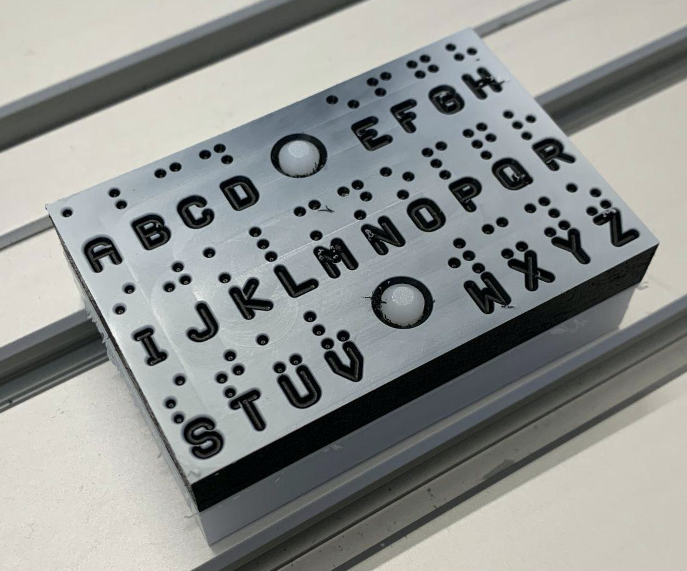
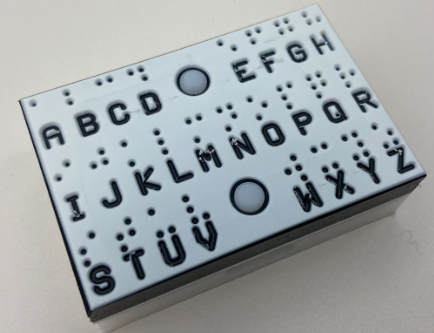
The Portable Braille Board is a CNC-machined, pocket-sized learning tool designed to help visually impaired users practice Braille. Made from durable HDPE, it features engraved letters and Braille dots, a protective cover, and precise pin-fit assembly, all produced through an automated robotic manufacturing line.
Skills
CAD Modeling & Design for Manufacturing,
CNC Machining & GibbsCAM Programming,
Tolerance Analysis,
Robotic Automation & CIM,
Lean Manufacturing Principles
Roles
Automated Manufacturing Strategist
Product Designer
Process Optimizer & Lean Analyst
Contributors
Sihan Zheng
Stanley Salim
Sarah Stantial
Olivia Young
Binghao Zhao
Background
Braille
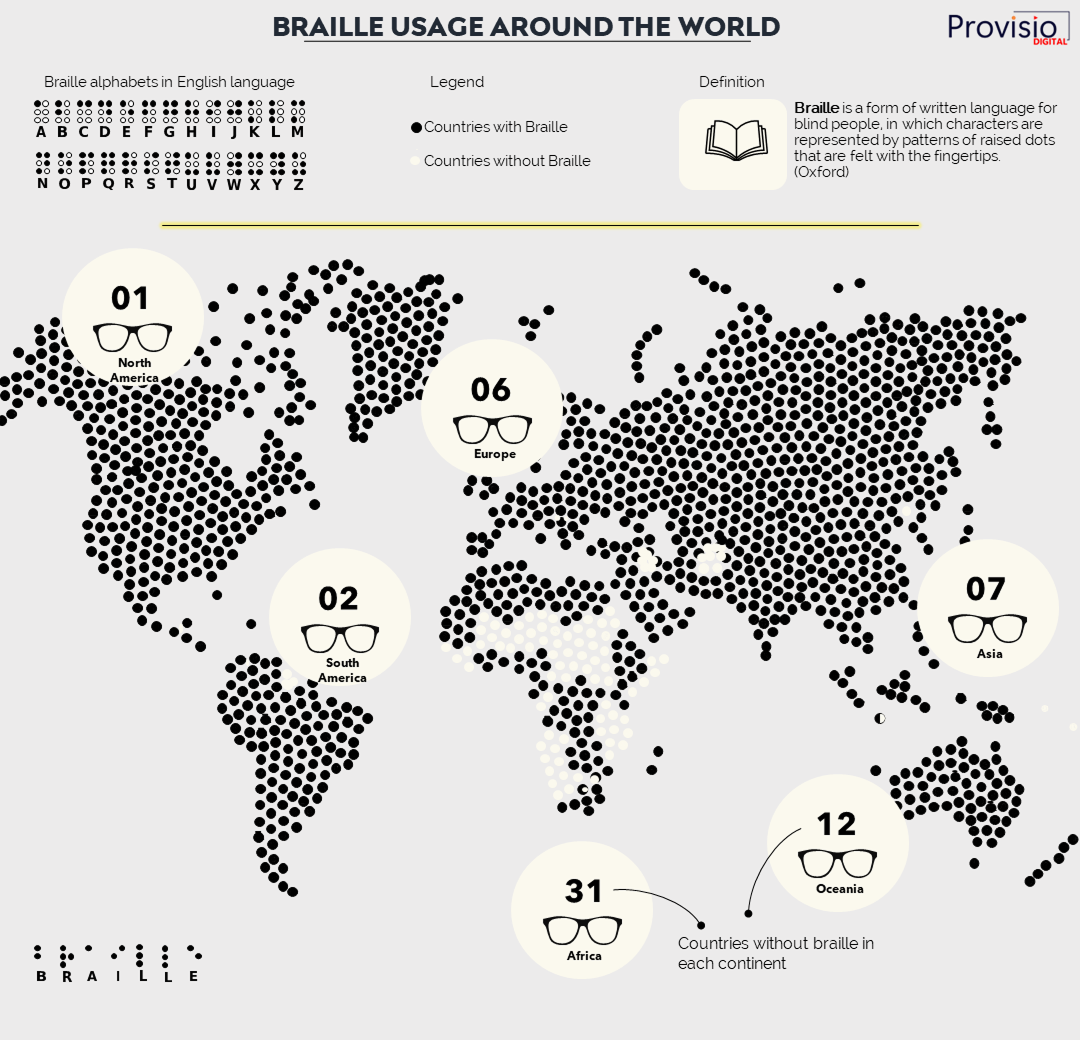
is a tactile writing system designed for people who are blind or visually impaired. It uses patterns of raised dots to represent letters, numbers, and punctuation, allowing users to read information through touch and access written content independently.
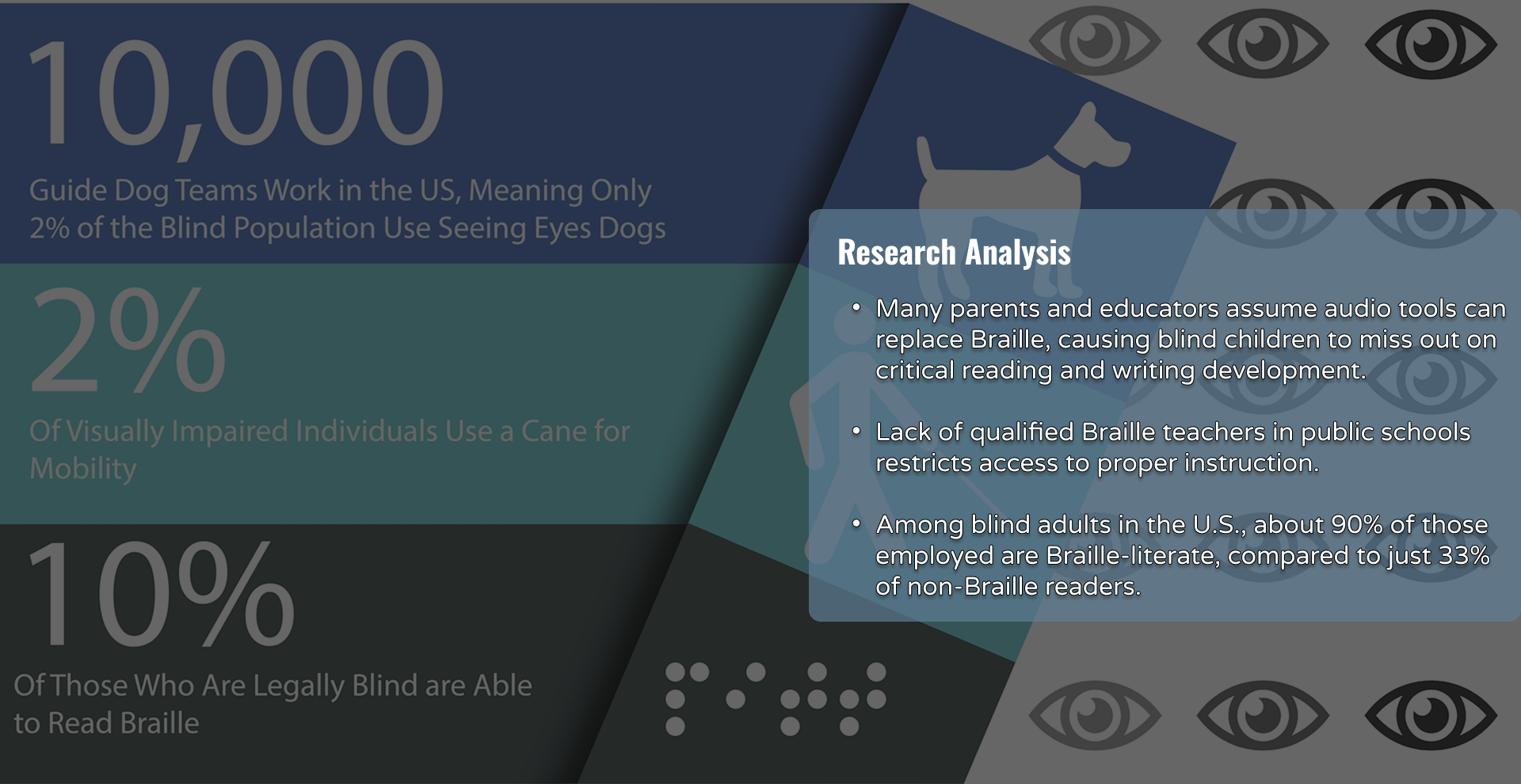
With over 39 million blind and 284 million visually impaired individuals worldwide, fewer than 10% of legally blind people in the U.S. read braille.
Design Idea
My solution is a compact, durable braille board designed specifically for BU’s visually impaired students and community members. This portable, user-friendly tool reflects our commitment to inclusive, user-centered design, making essential literacy and communication skills more accessible.
Challenge
Mass Production Considerations:
There is high demand for this product, so in our design we need to consider product parameters that allow for mass production on an assembly line.
Quality and Functionality Optimization:
While maintaining product quality, we need to ensure that the product fully serves its function (making the engraved braille clearly tactile).
Maximizing Equipment Efficiency:
We also need to manage the usage of each machine on the production line, considering how to maximize the efficiency of existing equipment for production.
Design & MFG Process
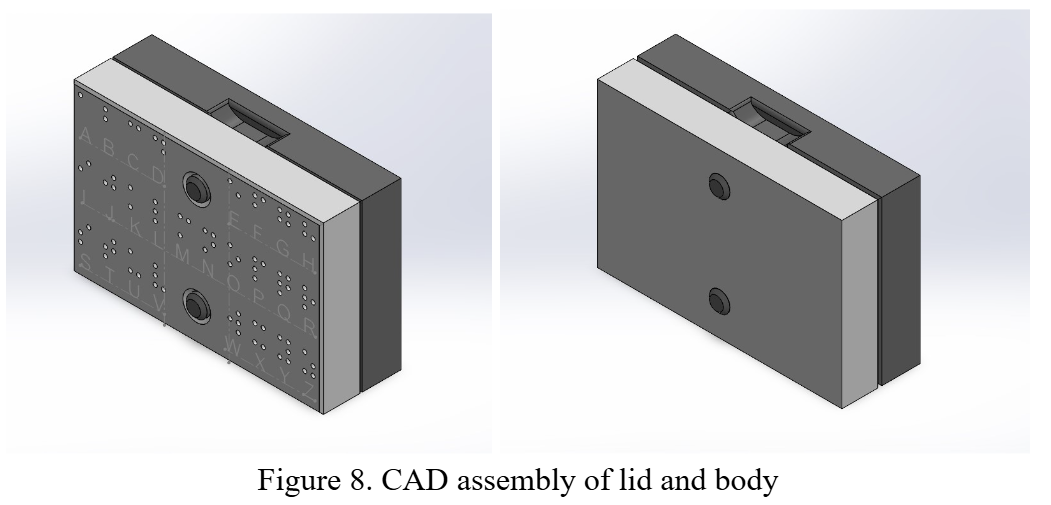
✋ Tactile Design for Accessibility
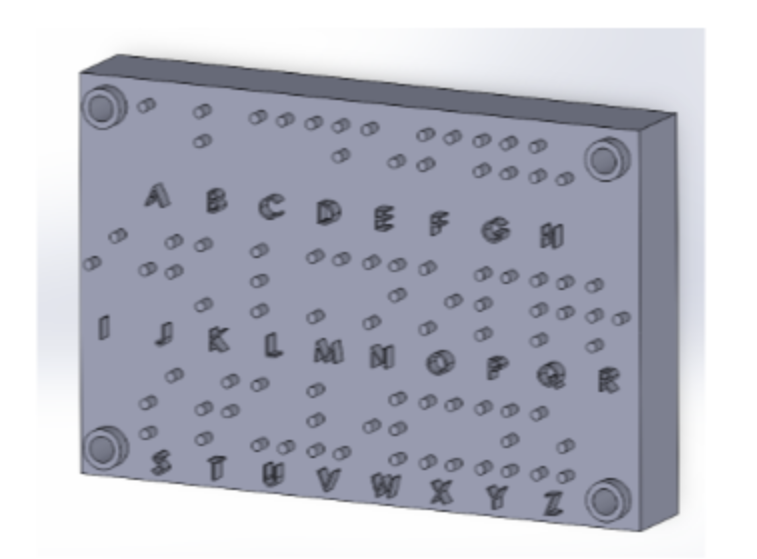
The braille indentations and letters are designed to provide clear tactile feedback, enabling users to easily distinguish the symbols by touch.
This allows visually impaired users to learn braille effectively, even in mobile or less controlled environments.
🤲 Ergonomic Considerations
An ergonomic divot was also included to help users separate the two parts more comfortably. These features enhance the ease of use and comfort for users.
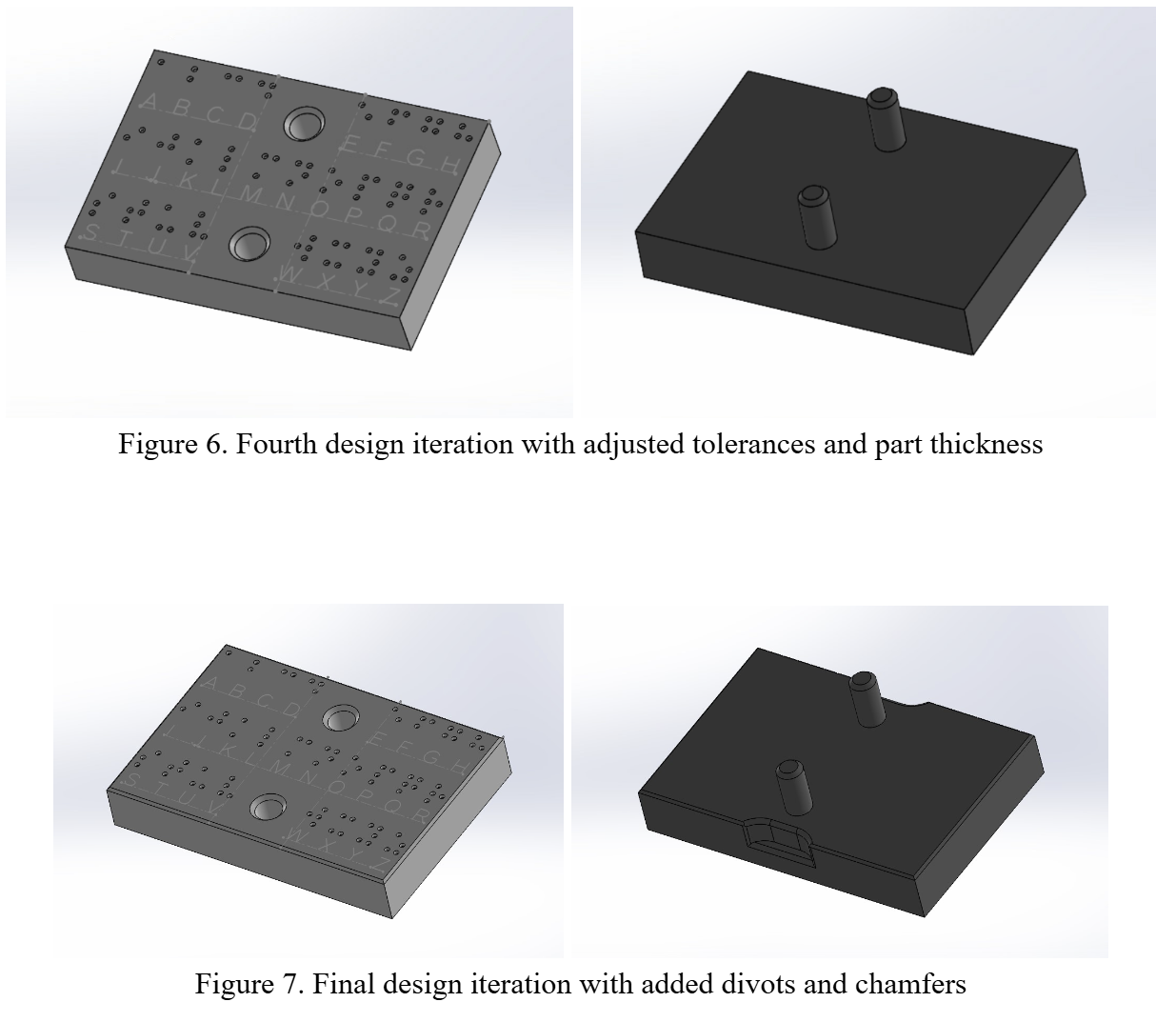
.jpg)
🛠️ Precision Manufacturing in a Fully Automated Workflow
Each machining step—spotting, roughing, engraving, and chamfering—is pre-programmed in GibbsCAM to ensure repeatable precision and efficient CNC operation throughout the production line.
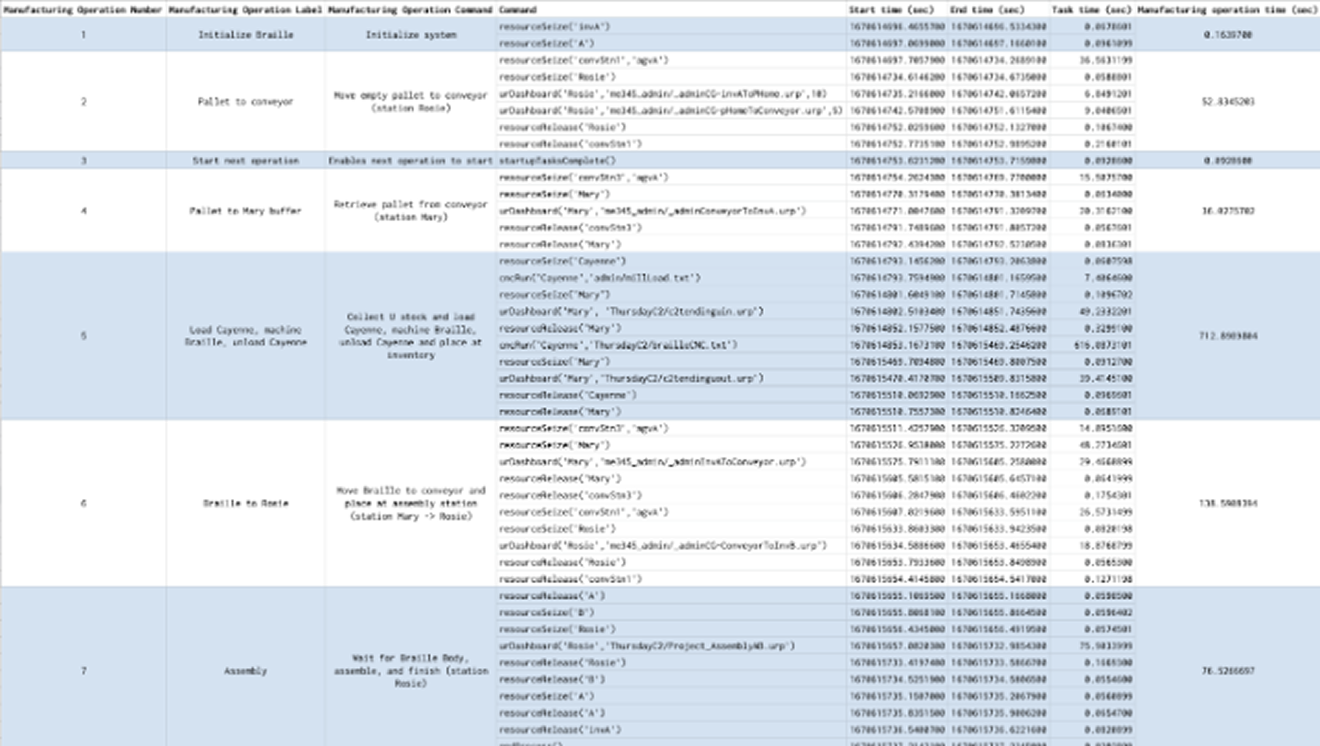
📋 CIM Table for Data-Driven Automation
The CIM table logs every robotic and machining operation in real-time, enabling precise control over part flow, minimizing idle time, and supporting system-wide optimization.
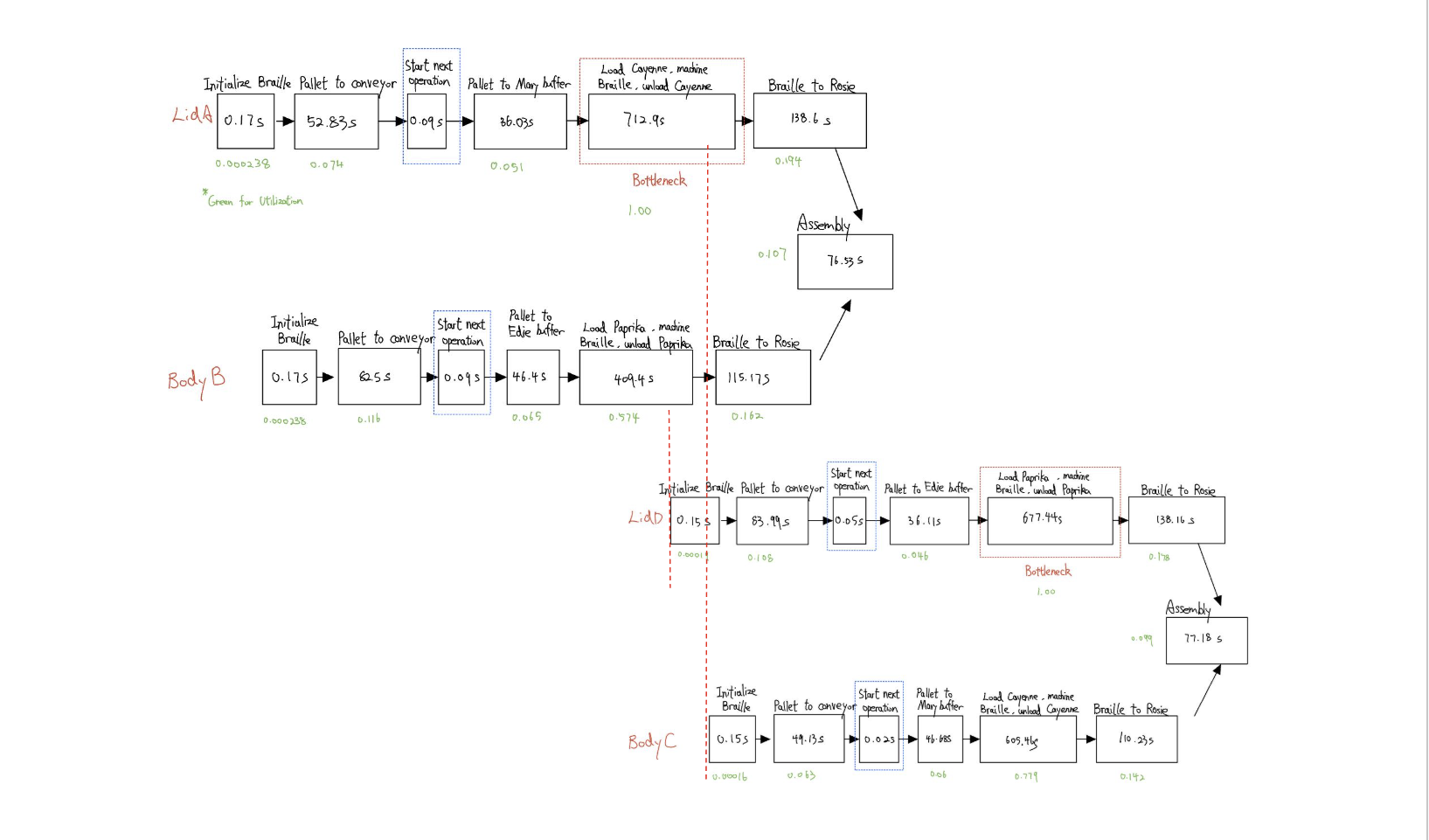
🧭 Routing Diagram & Bottleneck Insight
The routing diagram maps every operation in sequence, revealing timing conflicts and bottlenecks—enabling smarter part release strategies and improved system efficiency.
The Portable Braille Board project successfully developed a lightweight, durable, and compact tool to support on-the-go braille learning. Using automated manufacturing with CNC milling and robotic assembly, the product achieved high precision and cost efficiency, with a manufacturing cost of $9.35 per unit. Functional and assembly success rates were 80% and 100%, respectively, with the design ensuring ease of use and secure component fit.
Outcome
Design Optimization:
The design focuses on portability and durability, using high-density polyethylene (HDPE) to withstand wear and provide a clear tactile feel.
Manufacturing Feasibility Analysis:
The design incorporates precise tolerances to fit with the CNC mill and robotic arm capabilities, accounting for machine-specific tolerances of ±0.0005 inches for CNC and ±0.009 inches for robots.
Production Process Management:
The production plan utilizes a sequence where parts are machined by two CNC mills and then transferred by robotic arms to avoid bottlenecks.
Lean principles like minimizing travel and wait times are implemented by using a conveyor system to transport parts efficiently across workstations.
End-to-End Quality Control:
Continuous testing throughout manufacturing ensures both functional and ergonomic aspects meet user requirements, like adding chamfers and divots for easy separation of the lid and body.